
Take action
Ask Congress to advance clean energy permitting reform
Lower energy costs and unleash the wind, solar, and battery projects already waiting to be built and connected to the grid.
What the bill does
Three provisions a comprehensive permitting bill needs
Streamline transmission
Speed up permitting for the interstate transmission lines that carry clean power from where it’s made to where it’s used.

Early community input
Ensure local communities have an early, transparent say so good projects move and harmful ones are caught sooner.
A goal for clean energy
Set a clear target for permitting more renewable energy so wind, solar, and storage actually reach the grid.
The longer we delay permitting reform, the longer clean energy stays off the grid. We can’t meet our climate goals without speeding up wind, solar, and battery projects.
By the numbers
The bottleneck, in four figures
4.5
years — average federal
environmental review
97%
of the permit queue
is clean energy
1%
yearly transmission
growth — we need 2%
3×
transmission capacity
needed by 2050
The bigger picture
What clean energy permitting reform is about
Just like you need a building permit to expand your home, big energy projects must get written approval before construction. Successful reform has three parts.
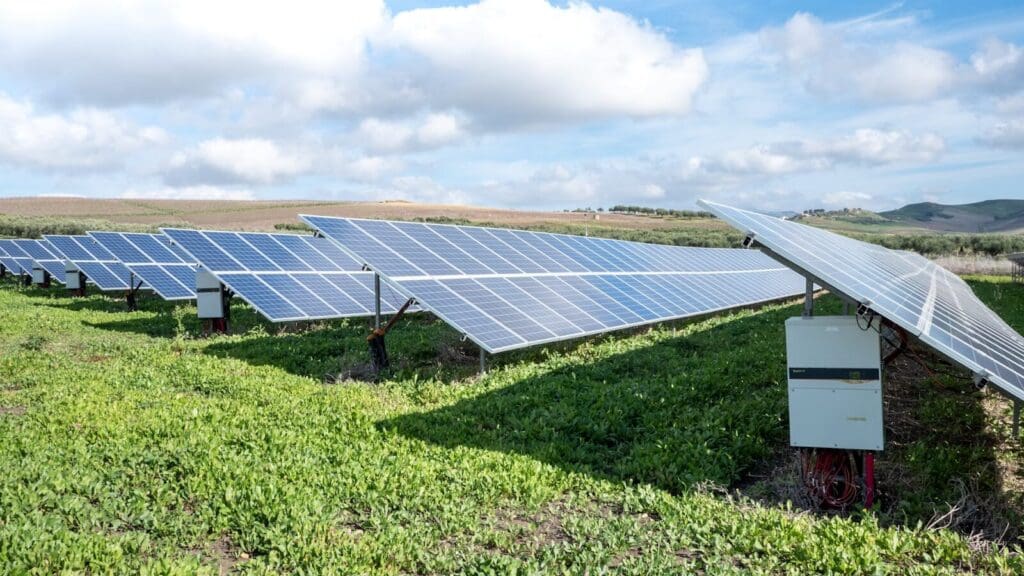
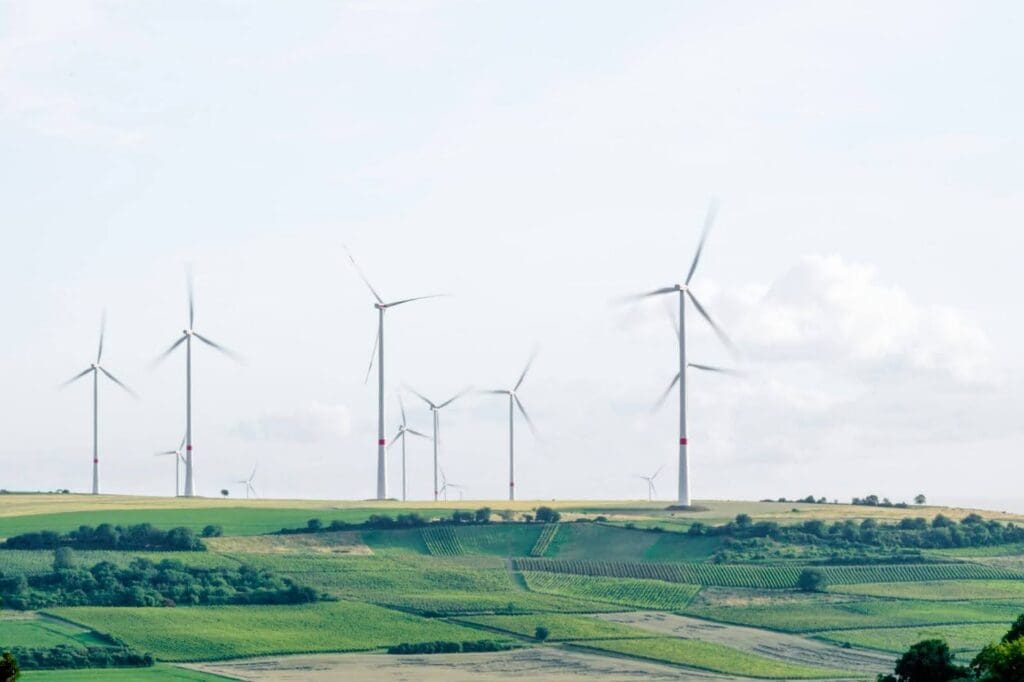
Siting and building projects
Right now it takes federal agencies about 4.5 years just to complete environmental impact statements for major energy projects. Those reviews matter — but they need to move faster. Congress took first steps in the June 2023 debt-ceiling bill.
Transmitting power across the country
Building wind and solar is only half the job — projects also have to connect to the grid. To keep pace with demand, the U.S. needs to roughly triple its capacity to transmit clean electricity by 2050.

Involving local communities
Better permitting lets communities weigh in early and choose good projects over bad ones. Good projects should be approved faster, harmful ones rejected faster, and every project should safeguard the people living nearby.
Watch
What is the bill?
One or two sentences on what the video covers and why it’s worth watching.
Make it count
A few words in your own voice go a long way
The default message works on its own — but a personal note is much harder for an office to ignore. Borrow any of these points and say them your way.
Two or three sentences is plenty
- Say you’re a constituent
Offices weigh messages from the people they represent most heavily. Lead with your city or town. - Make the stakes local
If this issue has touched your community — wildfire, energy bills, air quality — name it. Specifics stick. - Keep the ask clear
State plainly what you want them to do, in one sentence, near the top. - Be respectful
CCL’s nonpartisan, appreciative tone is what gets us in the door. Thank them for their time.
Where things stand
How we got here, and what’s next
A one-line caption for the photo.
2023
The bill is introduced
What happened, and CCL’s part in it. Link to the source where there is one.
March 2025
A milestone
What happened, and CCL’s part in it.
Next up
Your message
Where the reader comes in. The last step is always highlighted — end on the ask.
Frequently asked questions
What’s the latest update on permitting reform in Congress?
Insert BAAJA message
Why do we need clean energy permitting reform?
A slow permitting process is creating a bottleneck that holds up transmission lines — and the solar and wind farms that need those lines to reach the grid. Reform is crucial to loosen that bottleneck, bring more clean energy online sooner, and cut climate pollution as fast as possible.
What provisions do we want to see in a new package?
A slow permitting process is creating a bottleneck that holds up transmission lines — and the solar and wind farms that need those lines to reach the grid. Reform is crucial to loosen that bottleneck, bring more clean energy online sooner, and cut climate pollution as fast as possible.
Will permitting reform increase fossil fuel production?
Most new infrastructure proposed in the U.S. is now clean energy. In 2021, 85% of new energy capacity was clean. More than 97% of projects currently awaiting permits are clean energy — just 3% are natural gas — and in each of the past three years, 84% of new capacity built was clean.
Should I customize my message to Congress?
Absolutely — your voice matters, make it count! Adding a personal touch to your email grabs attention and makes your message harder to ignore.
How else can I help?
Share this page with any friends, family and coworkers who want to help.
Are you ready to solve climate change?
Volunteers like you are working together for national climate action. Join today to be one of them!