
Cedar Rapids
Cedar Rapids
Join
Citizens' Climate Lobby is a nonpartisan, grassroots climate organization powered by everyday volunteers, including thousands of us here in Iowa. We're glad you found us, and we look forward to getting to know you!
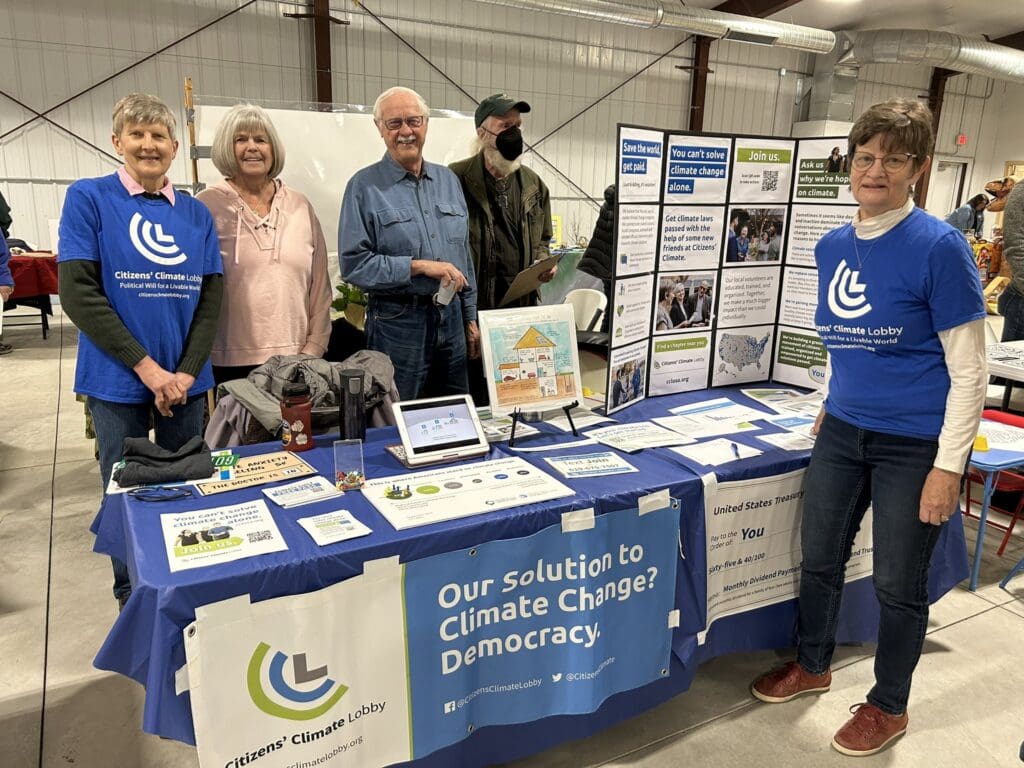
Fill out this form, and we’ll let your local chapter know you’re interested in joining! They’ll be in touch.
By clicking Join CCL, you verify that you are 13 years of age or older and agree to our terms of service and privacy policy. You can unsubscribe at any time.
Fill out the form above and we’ll connect you with a leader from the nearest chapter.
Cedar Rapids
Central Iowa and Des Moines
Cities: Ames, Council Bluffs, Ft Dodge, Hampton, Marshalltown, Okoboji, Sioux City, Storm Lake
Grinnell and neighboring communities Poweshiek County, Jasper County and surrounding
Iowa City
Mason City
Decorah, Dubuque, Cresco, Elkader, New Hampton, Oelwein, Waukon
Davenport, Bettendorf, Quad Cities region
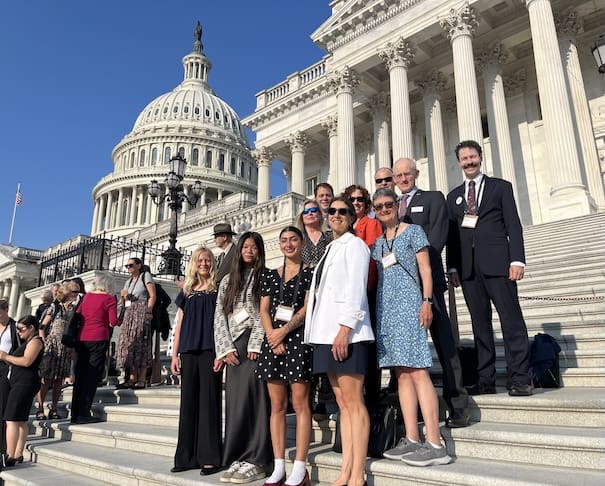
Reporting from Capitol Hill shows key members of Congress following through on part of our recent primary ask.
Read more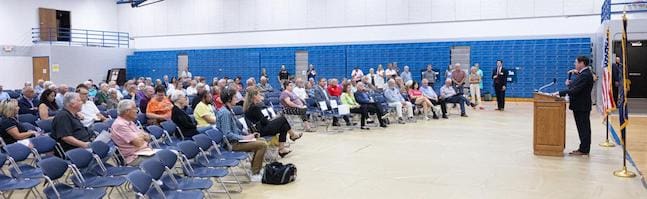
During the August congressional recess, CCL volunteers attended at least 53 town halls, asking thoughtful questions about climate action.
Read more3,437
Contacts with Legislators
27
Lobby meetings
22
Media publications
6
Outreach Events
Iowa State Coordinator
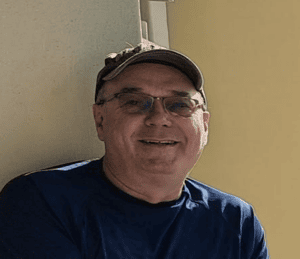
Since he joined CCL in 2019, Phil drives his Tesla to every CCL Lobby Day in D.C. that he can. He is happy to fill the car with other CCLers. He's native to Canada and is active in his local curling club.
Iowa State Coordinator
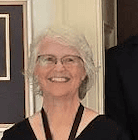
Jackie is a retired attorney, who went back to college after retirement and got a biology degree, then served on her local soil and water conservation district. She lives on an acreage near the Cedar River and drives her Tesla to D.C. to lobby when her schedule permits.
Fill out the join form, and we’ll connect you with your closest local chapter automatically based on your zip code. A volunteer from your local chapter will reach out to let you know when their next meeting is being held and how you can start to get involved.
As a volunteer, you might get involved in any of these types of activities:
When you sign up and get connected with your local chapter, your Group Leader will get to know you and help you find meaningful activities that fit with your skills and interests.
Absolutely. Many Iowa volunteers participate from areas without a nearby chapter — you can dial into CCL’s national meetings on Zoom, take monthly actions from home, or volunteer with one of CCL’s national Action Teams.
We can also support you with all the training and information you need to start a chapter in your area.
CCL’s mission is focused on advancing effective climate solutions at the federal level, so your local chapter meets with Iowa’s representatives and senators in the U.S. Congress.
Iowa’s ag economy is being profoundly affected. In addition to longer, hotter summers, we have more intense rains that lead to flooding, as well as runoff of soil and inputs of seed and fertilizer. These impacts and more threaten our communities and the places we love.
Join us to learn more about the climate impacts we’re seeing statewide and how to talk to Congress about solving the problem.