
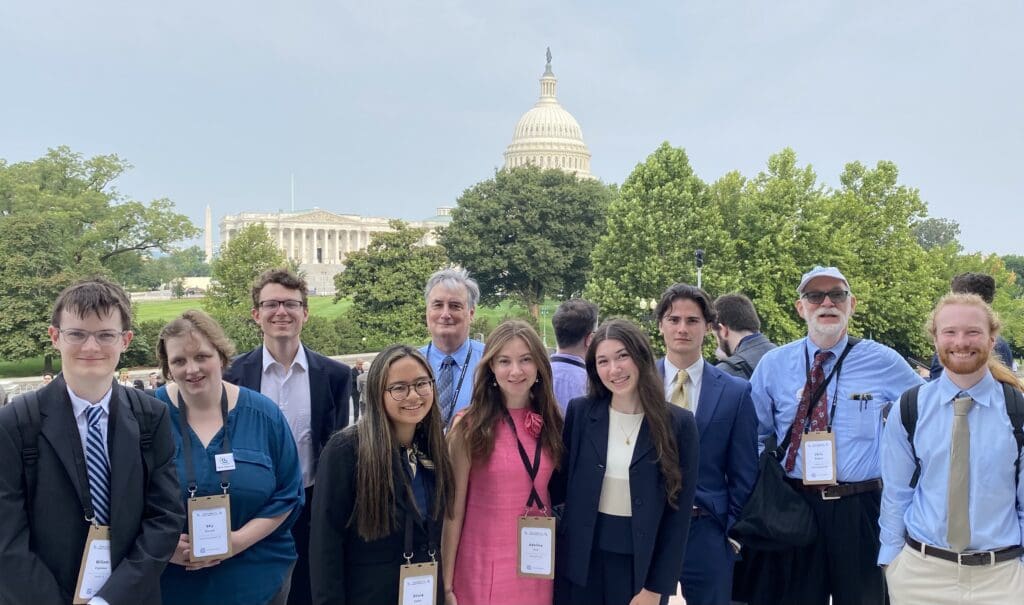
Alexandria
Alexandria, Arlington, Falls Church, and parts of Fairfax
Join
Interested in solving climate change? You are welcome in Citizens’ Climate. We’re regular people from Virginia who are working together to get climate laws passed. We believe that the only way to tackle climate change is together. We connect over shared concerns, build consensus, and work with elected officials from every party towards climate solutions.
Fill out this form, and we’ll let your local chapter know you’re interested in joining! They’ll be in touch.
By clicking Join CCL, you verify that you are 13 years of age or older and agree to our terms of service and privacy policy. You can unsubscribe at any time.
Fill out the form above and we’ll connect you with a leader from the nearest chapter.
Alexandria, Arlington, Falls Church, and parts of Fairfax
Charlottesville and Albemarle County and all VA05 residents
Fairfax, McLean, Oakton, Reston, Annandale, Vienna, Herndon, Chantilly, Great Falls, Lorton, Burke
Loudoun County Virginia
Lynchburg, VA + Counties of Amherst, Appomattox, Bedford, Campbell, Nelson
Southwest, Virginia (Covington to Martinsville to Wheeler and about everywhere in between)
Richmond
Roanoke
Willaimsburg, VA
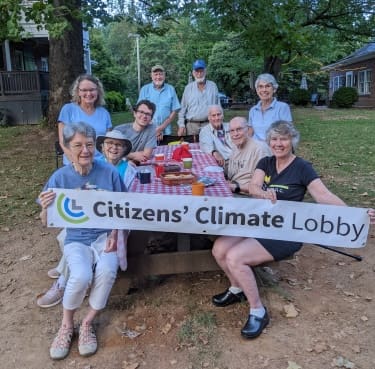
CCL volunteers found connection and camaraderie at social events this summer, from chapter picnics to postcard writing parties.
Read more
Meteorologists are trusted messengers to viewers across the political spectrum, so it's worth celebrating when they cover climate change.
Read more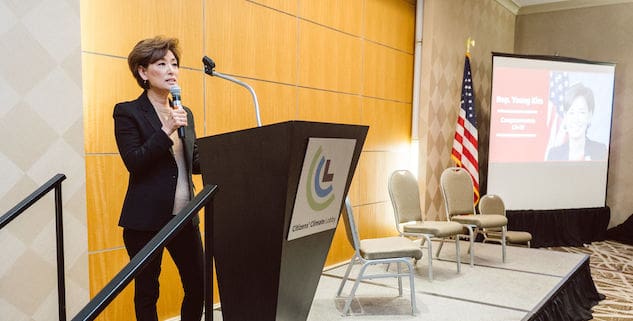
This letter from 13 Republicans and 13 Democrats delivers an important message and will advance the conversation on permitting reform.
Read more1,674
Contacts with Legislators
52
Lobby meetings
102
Media publications
37
Outreach Events
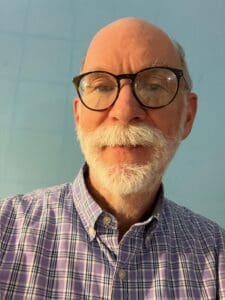
Virginia State Coordinator
Chris Wiegard is a retired librarian and grandparent living in the Richmond Virginia area. He enjoys native gardening, LTE writing, and fun runs.
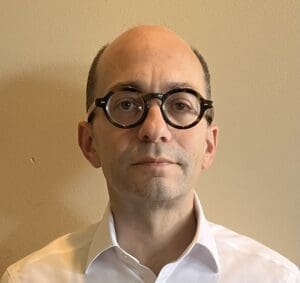
Virginia State Coordinator
Chris Milo lives in Ashburn, VA and has served with Citizens’ Climate Lobby since 2023. He currently leads the CCL Loudoun County chapter of CCL and the CCL Virginia State Policy Team.
Fill out the join form, and we’ll connect you with your closest local chapter automatically based on your zip code. A volunteer from your local chapter will reach out to let you know when their next meeting is being held and how you can start to get involved.
As a volunteer, you might get involved in any of these types of activities:
When you sign up and get connected with your local chapter, your Group Leader will get to know you and help you find meaningful activities that fit with your skills and interests.
Absolutely. Many Virginia volunteers participate from areas without a nearby chapter — you can dial into CCL’s national meetings on Zoom, take monthly actions from home, or volunteer with one of CCL’s national Action Teams.
We can also support you with all the training and information you need to start a chapter in your area.
CCL’s mission is focused on advancing effective climate solutions at the federal level, so your local chapter meets with Virginia’s representatives and senators in the U.S. Congress.
Virginia is already experiencing hotter temperatures and more frequent extreme heat, along with heavier rainfall that increases flooding risks for communities and infrastructure. In the future, these impacts are likely to intensify, along with growing health risks from ticks and mosquitoes.